Sell Now 206 / Cash Offer
Selling a Seattle house for cash: how it works, and what it costs.
A cash offer request is a way to sell without listing. You describe the house, I share it with independent buyers in the Homexa® network who buy homes with cash, and any buyer who is interested makes an offer. You can sell as-is and negotiate a closing date that suits you. In exchange, the price is usually lower than the open market would pay.
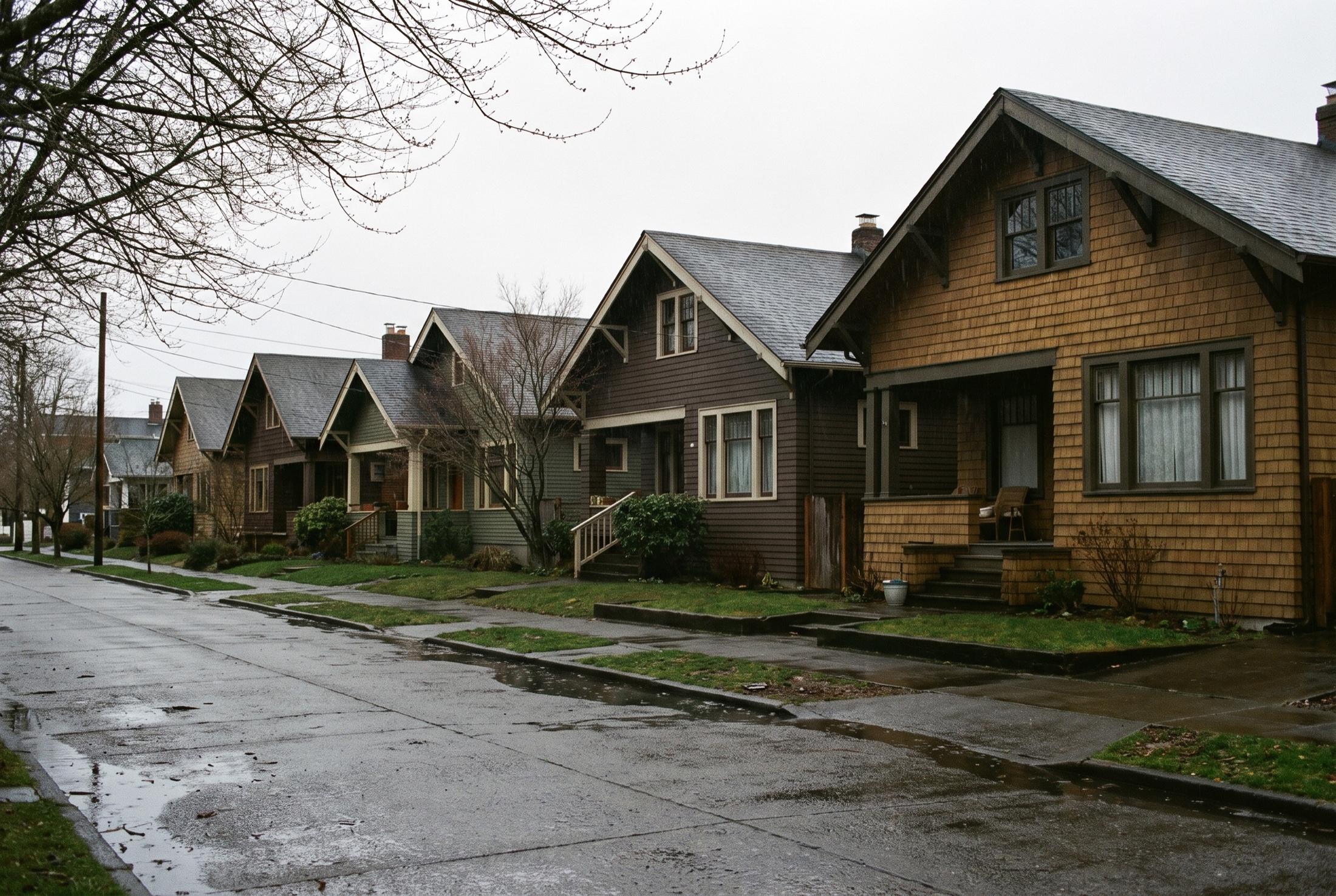
How a cash offer request works in Seattle
You tell me about the house.
Start with the address and the year it was built. Then the honest condition: the age of the roof, how it’s heated, the plumbing, the basement, anything you’ve been meaning to fix for years. Photos from your phone help a lot. So does knowing whether anyone lives there now, whether it’s still full of furniture, and when you need it sold.
I look at it the way a buyer will.
Before anything goes to a buyer, I pull recent sales of similar homes near yours so you know roughly what the open market would pay. Like-kind only: a single-family house is compared with single-family houses, a condo with condos, and the search is centered on your actual address. That number becomes the yardstick for every cash offer that comes in.
Buyers in the network review it.
Independent cash buyers in the Homexa® network look at the details and decide whether they want to make an offer. A buyer will usually want to walk through before committing to a number. Some will pass. How many offers arrive, if any, depends on the house, the location and what each buyer plans to do with it.
You compare, and you decide.
If offers come in, we read each one line by line: the price, the earnest money, any inspection period, the closing date, and whether the buyer will let you stay in the house for a while after closing. You can accept an offer or counter it. If none is worth taking, the listing option is still on the table.
Escrow and closing.
An accepted offer goes to title and escrow like any other Washington sale. The title company confirms ownership and any liens while the escrow officer prepares the settlement statement. Then you sign. With no lender in the deal, there is no appraisal requirement and no loan approval to wait on.
What “as-is” means when you sell for cash
As-is means the buyer takes the house in its current condition and you make no repairs. You still owe the buyer what you know.
Most Washington sellers of residential property owe the buyer a seller disclosure statement under RCW 64.06, usually completed on the Northwest MLS Form 17. It asks about roof leaks, a basement that has flooded or leaked, the sewer, fuel storage tanks, permits and a good deal more. Some transfers are exempt, including a sale by an estate’s personal representative and a foreclosure, and your attorney or escrow officer can tell you if yours is one of them. Where the form applies, fill it out carefully. A cash buyer who finds a problem you knew about has the same remedies as any other buyer.
Older Seattle houses tend to carry a familiar set of issues, and cash buyers price them in as a matter of routine:
- Heating oil tanks. Plenty of older Seattle homes once burned oil, and an abandoned tank in the yard or basement is common. Buyers will ask whether it was decommissioned and whether there’s paperwork.
- Side sewers. In Seattle the pipe from the house to the city main belongs to the homeowner. Old clay and concrete lines crack and fill with roots, and a sewer scope finds it.
- Early wiring. Knob-and-tube and ungrounded circuits turn up in houses built in the first decades of the twentieth century.
- Unpermitted space. Basement apartments and additions built without permits from the Seattle Department of Construction and Inspections. Buyers check the permit history.
- Roofs, moss and gutters. The climate is hard on roofs, and a tired one is visible from the curb.
A buyer using a lender may come back after the inspection asking for large repair credits, or walk away. A cash buyer usually prices the tank, the sewer line and the wiring before signing.
Close fast, or close when you’re ready
With no lender in the deal, nobody is waiting on an appraisal or a loan approval. The closing date is whatever you and the buyer write into the purchase agreement, early or late.
Some sellers want to close as soon as title and escrow allow. Others need time: a family waiting on probate letters, an owner who can’t move until the next house closes, a landlord whose tenant is owed proper notice, a couple still deciding where to go next. A cash buyer can often accept a later date, or a rent-back, where you stay in the house for a set period after closing under a written agreement.
When a cash sale slows down, paperwork is usually the reason. An estate may not have a personal representative appointed yet. There may be an old lien on title, or a signature still needed from a former spouse. I look for those early so they don’t surprise you in the last week. No one can promise a closing date, and I won’t.
The speed is real. So is the discount. Both belong on the same sheet of paper when you decide.
The price tradeoff, in plain terms
A cash buyer is usually an investor who plans to renovate and resell the house, or keep it as a rental. The offer starts from what the house could be worth once it’s fixed, then subtracts the cost of the work, the months of owning it, the fees to buy and sell it again, and a profit that justifies the risk. Every one of those costs is real, which is why a cash offer almost always comes in below an open-market sale.
What you save is real too. No repairs. No pre-listing cleanup or staging. Fewer months of utilities, taxes, insurance and upkeep on a house you may not even live in. Less chance of a renegotiation after inspection, since the buyer priced the condition before signing. For some houses and some sellers the net difference turns out smaller than it first looks. For others it’s large.
So before you decide, I estimate what a listing would likely net you after prep and selling costs and set it next to each cash offer’s net.
Costs you’ll still see at closing
A cash sale still carries normal seller costs in Washington. The state real estate excise tax is usually paid by the seller and is graduated by sale price. Escrow fees are commonly split. The buyer’s owner’s title policy is customarily a seller cost in this part of the state. Any mortgage or lien is paid off from the proceeds. Your escrow officer will give you the exact figures, and how the brokerage is compensated is set out in writing before you sign anything.
When a cash offer is the wrong call
If the house is in decent shape and sits in a neighborhood where buyers are active, the open market will likely pay you more, and a fast-track listing may take less time than you expect. If you have a few weeks and can live with showings, list it.
If the only thing between you and a listing is a cleanout, that can be hired out, and the cost is often much smaller than the gap between a cash price and a market price. The same goes for minor repairs or a yard that got away from you.
A cash offer makes sense when the repairs are major, the date is fixed, the house can’t easily be shown, or the people involved need one clean transaction with as few moving parts as possible.
Cash offer or fast-track listing, side by side
The same six questions I go through with every seller, whichever path they end up taking.
| Question | Cash offer request | Fast-track listing |
|---|---|---|
| Condition | Sold as-is. Repairs become the buyer’s problem and are priced into the offer. | Light prep before launch. Buyers still inspect and may ask for repairs or credits. |
| Showings | Usually a walkthrough or two with interested buyers. | Open to showings while listed, most of them in the first week or so. |
| Price | Below what the open market would likely pay, because the buyer carries the risk. | Set by buyers competing. Usually the higher number, and never a certainty. |
| Timing | Negotiable. No lender, so the closing date is between you and the buyer. | Tied to the buyer’s financing and contingencies. Timelines vary. |
| Who buys | Independent cash buyers in the Homexa® network. | Anyone in the market, represented by their own agent. |
| Tends to fit | Major repairs, a tenant in place, a house full of belongings, a date that can’t move. | A house in reasonable shape and a seller with a few weeks to get it ready. |
The listing path in detail: how a fast-track listing works
Cash offer questions Seattle sellers ask
Will I definitely get a cash offer?
No. Cash offers come from independent buyers in the Homexa® network, and each buyer decides whether to make one. No offer or price is guaranteed. Some houses draw several offers and some draw none. Submitting a request doesn’t obligate you to accept anything.
How much less is a cash offer than listing the house?
There is no fixed percentage, and anyone who quotes one before seeing the house is guessing. The gap depends mostly on how much work the house needs and on how active the market is for that type of home in that neighborhood. I put each offer next to an estimated open-market net so you can see the actual difference for your house.
How fast can a cash sale close in Seattle?
It depends on title and on the buyer. With no lender involved, a cash sale can move faster than a financed one, but a lien or an unsettled estate can slow any sale down. Timelines vary, and I won’t promise a date. You can ask for the closing date that fits you and see which buyers agree to it.
Do I have to make repairs or clean out the house?
No. Cash buyers purchase as-is, and many expect to handle a cleanout themselves. You can leave behind what you don’t want, as long as the purchase agreement says so. Take anything valuable or sentimental out before the buyer’s walkthrough, and put in writing what stays.
Do I still fill out a seller disclosure for a cash sale?
Usually, yes. Washington requires most residential sellers to provide a disclosure statement, and a cash buyer doesn’t change that. Some transfers are exempt, such as a sale by an estate’s personal representative. Confirm with your attorney or escrow officer before you skip it.
Can I sell an inherited house for cash before probate is finished?
Often the personal representative can sell once appointed, and in Washington an estate administered with nonintervention powers usually doesn’t need a court’s approval for the sale. Every estate is different, so talk with your estate attorney first. Buyers and the title company will want to see the letters that give the representative authority to sign.
Can I stay in the house after closing?
Sometimes. Some cash buyers will agree to a short rent-back, where you remain in the house for a set period after closing under a written agreement. Ask for it when the offer is written, so the length and the terms are in the purchase agreement from the start.
What does a cash offer request cost me?
Nothing to submit. If you accept an offer, normal seller closing costs apply, such as the state real estate excise tax and escrow fees, and how the brokerage is compensated is set out in writing before you sign. You’ll see every cost on the settlement statement before closing.