Sell Now 206 / Fast-Track Listing
List it quickly, and still make buyers compete.
A fast-track listing puts a Seattle house on the Northwest MLS quickly, without a long remodel first. It rests on four things: a price that brings buyers out in the first week, light prep that changes what they see, a pre-inspection so nothing surprises anyone, and a launch week that puts the house in front of the whole market at once.
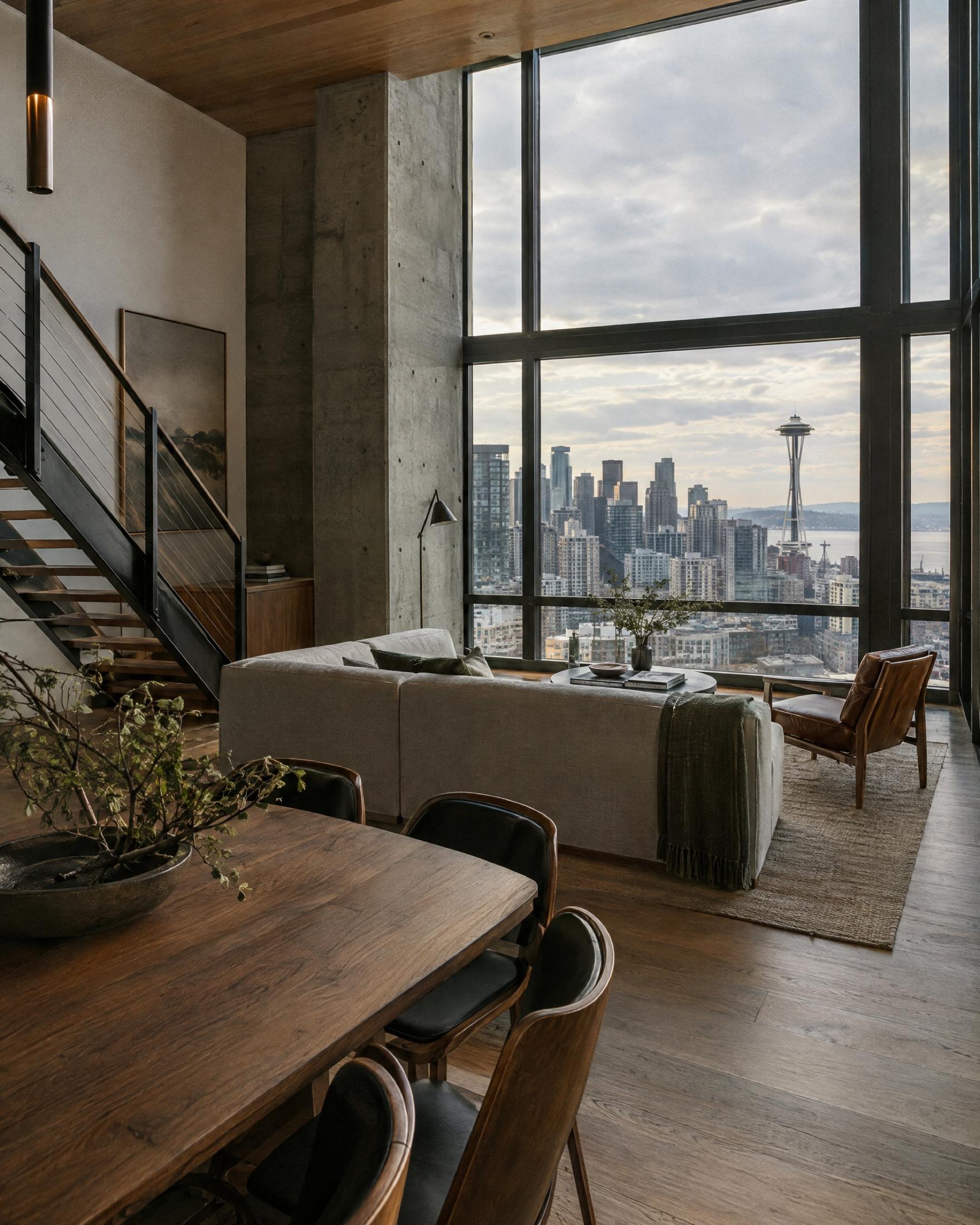
How fast can you list a house in Seattle?
If the house is reasonably clean and you skip the projects that don’t pay for themselves, the prep can be short. Timelines vary with the house and the season. The listing itself is rarely the slow part. The decisions are: what to fix, what to leave, what to take with you. Make those in the first few days and the rest follows.
A house that needs a full cleanout, a tenant move-out or serious repairs will take longer, and for some of those a cash offer request is the better tool. One conversation about the house is usually enough to tell which camp it’s in, and the two paths are compared line by line on the cash offer page.
Pricing to compete
Price is the one decision that shapes all the others. A house priced at the very top of what recent sales support tends to sit. It collects showings without offers, and then it gets reduced. A house priced where buyers see value tends to draw a crowd in the first week, and a crowd is what protects your number.
I build the price from recent sales of like-kind homes near yours: bungalows against bungalows, condos against condos. The search is centered on your exact address, because Seattle shifts within a few blocks. A house on a busy arterial like 15th Ave NW doesn’t compare cleanly with one on a quiet side street in the same zip code, and a view lot on Queen Anne is a category of its own.
An offer review date, or offers as they come
Many Seattle listings set an offer review date: a set day, often several days after launch, when the seller looks at every offer together. It gives each buyer time to see the house and pulls competing offers into the same window. The other approach is to consider offers as they arrive, which can suit a house that appeals to a narrower group of buyers. We choose based on the house and on how similar listings nearby are behaving.
Light prep that changes the result
The goal is to remove reasons for a buyer to discount the house. Skip the new kitchen. Spend on what buyers notice in the first ten seconds of a showing and the first ten pages of an inspection report.
- Clean it like a buyer will look under things.
- Windows, baseboards, the oven, inside the cabinets. It is the cheapest prep there is and it shows in every photograph.
- Take out half of what’s there.
- Rooms look larger with less in them, and a half-empty closet reads as plenty of storage. Pack now what you’d pack anyway.
- Paint where it’s worn or loud.
- Scuffed hallways and strong accent walls first. Keep it light, because Seattle’s gray months make every room look darker in photos.
- Deal with the moss and the gutters.
- The roof is one of the first things a Seattle buyer looks at from the sidewalk. Have it and the gutters cleaned before the photographer comes.
- Fix the small things an inspector will list.
- A dripping faucet, a missing outlet cover, a loose handrail, a smoke alarm with no battery. Each is minor. Twenty of them in one report read as neglect.
Photographs matter more than any single repair. Book them for a dry day if the weather allows, open every blind and turn on every light.

Why a pre-inspection is worth it here
A pre-inspection is a home inspection you order before listing. It moves bad news to the start of the sale, when you still have room to decide what to do about it, instead of the middle, when a buyer is holding a repair list and a deadline.
In Seattle, a useful pre-inspection package often adds a sewer scope, since the homeowner owns the side sewer all the way to the city main, and for older houses an oil tank sweep to check for a buried tank. With the reports in hand you can fix what’s cheap and disclose what isn’t, and the price is set with the facts already known.
When the reports are posted with the listing, some buyers are comfortable writing offers with a shorter inspection period or none at all. That shortens the stretch of the sale where a deal is most likely to come apart.
Launch week
Everything lands at once. The listing goes live on the Northwest MLS with finished photographs, a floor plan, the seller disclosure and the inspection reports. Agents across the region see it the same day, and the first weekend tends to be the busiest. The house should be at its best from the first hour.
Here is one way the stretch from decision to closing can run. The order holds. The calendar depends on the house and on the buyer’s lender.
- Before launchDecide what to fix and what to leave. Clean and clear out, then paint where it’s worn. Order the pre-inspection, including a sewer scope and a tank sweep. Complete the disclosure. Photograph the house.
- Going liveThe listing appears on the Northwest MLS and the sites that draw from it. Showings begin, and an open house if we plan one.
- Offer reviewWe compare price and terms: the down payment, the financing, contingencies, the closing date. You can accept one or counter it.
- Under contractThe buyer’s inspection, if there is one. For a financed buyer, the appraisal and final loan approval. Escrow and title prepare the documents.
- ClosingYou sign and the deed records with King County. Keys change hands on the date the contract sets.
After you accept an offer
A financed buyer still needs an appraisal and final loan approval, and those set much of the remaining calendar. A buyer who had your pre-inspection in hand is less likely to return with a long repair list. Either way, I track the contract deadlines so nothing lapses by accident.
If the listing plan starts to look like the wrong one partway through, because the house needs more than we thought or your timing changes, the cash offer request is still available. Switching paths is a normal conversation to have.