Sell Now 206 / Dispatches / Who Pays for a Bad Side Sewer When You Sell in Seattle?
Should I Get a Sewer Scope Before Selling My Seattle House?
The short answer
For most older Seattle houses, yes. Seattle makes the owner responsible for the side sewer from the house all the way to the city’s main, including the stretch under the sidewalk and street, and a bad scope during the buyer’s inspection is a common reason a sale gets renegotiated. No rule says who pays for a repair; you and the buyer negotiate it, and a scope done before listing puts you in the stronger position.

By Austin Hellickson, Managing Broker, LPT Realty · 6 min read
The part of the line a Seattle owner owns
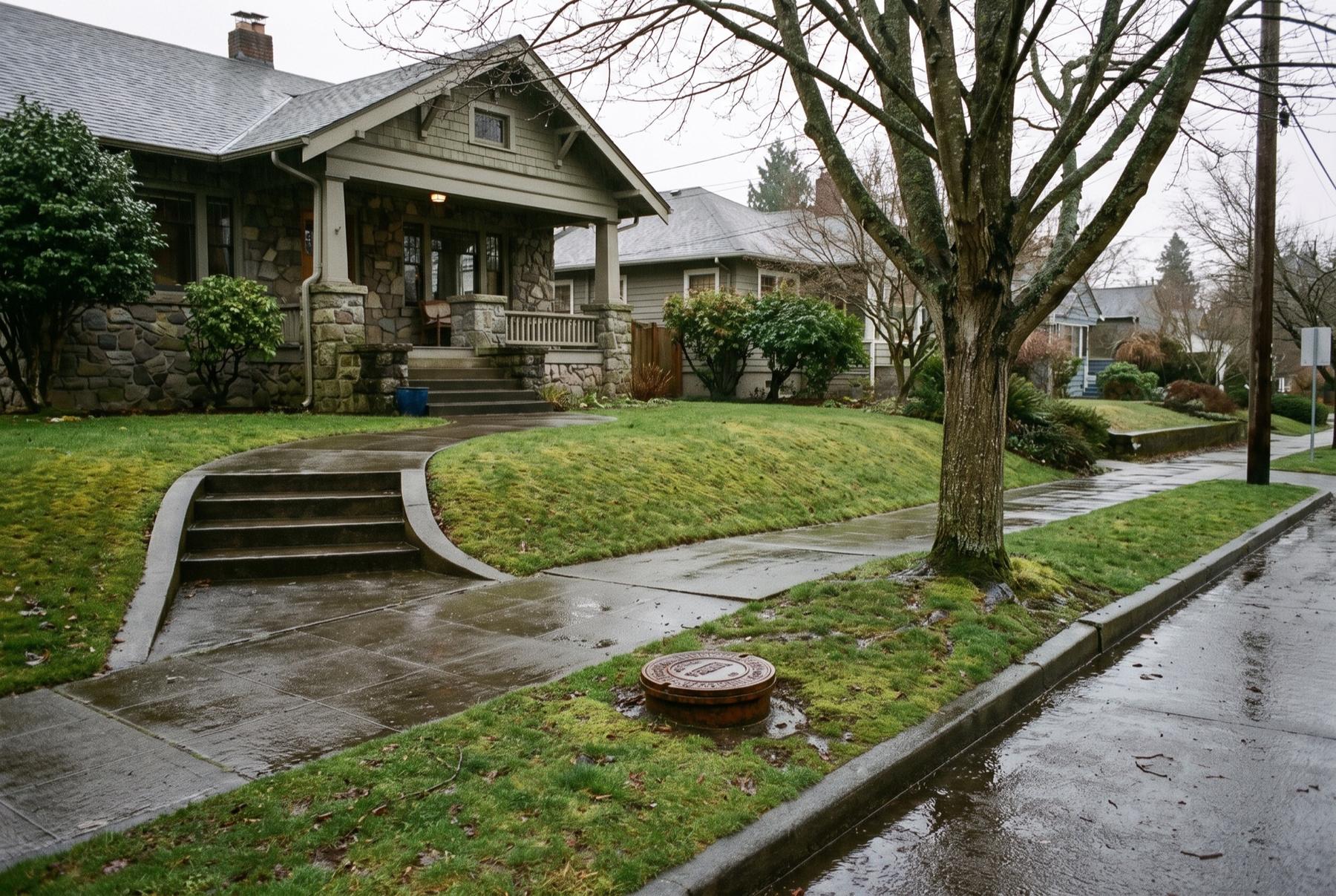
Every house on the city sewer has a side sewer, the private pipe that carries everything from your plumbing out to the public main in the street or the alley. Seattle’s side sewer code, Chapter 21.16 of the Municipal Code, puts that pipe on the property owner. All of it. The run under the front yard, the stretch beneath the planting strip and sidewalk, and the pipe under the street, right up to the fitting where it joins the main.
Plenty of owners assume the city takes over at the property line. It doesn’t. Seattle Public Utilities maintains the main, and on an older lot the private part can be a long run of old pipe. Repairs need a side sewer permit, which Seattle Public Utilities has issued since October 2025 (it used to come from the Seattle Department of Construction and Inspections). Confirm the current requirements, including who can do the work, with Seattle Public Utilities before anyone digs.
In many older neighborhoods the gutters and downspouts drain into the same pipe, because parts of the city were built on a combined system that carries rainwater and sewage together. That matters in a Seattle winter. A marginal line that behaves in August can back up in November.
Start with the city’s records
Before anyone runs a camera, look at what the city has on file. Seattle keeps side sewer cards, often old hand-drawn records, that show where the line was laid, where it meets the main, and sometimes whether it serves a neighbor too. Seattle Public Utilities has a side sewer card lookup online, and a sewer contractor will often pull the card as part of the job.
The card says nothing about the pipe’s condition. It can explain an odd route, though: a line that heads out the back to an alley, or one that crosses the neighbor’s yard. That context makes a scope report much easier to read.
Should you scope the side sewer before you list?
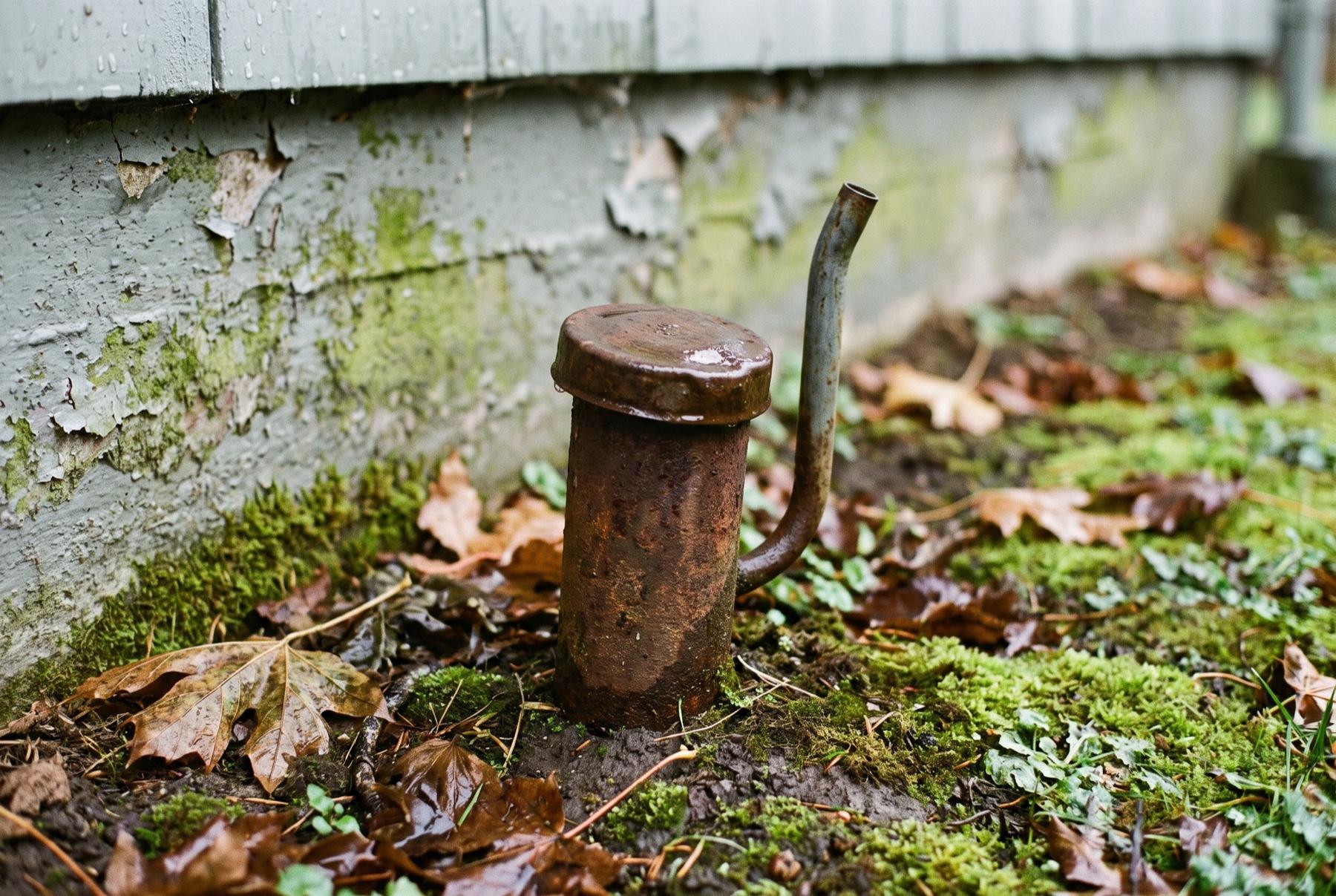
For an older house, especially one with a clay line or a big street tree out front, scoping first is usually worth it. A sewer scope is a camera fed down the line through a cleanout or a pulled toilet, with the video recorded. Some houses have an outside cleanout, a capped access point near the foundation or out by the sidewalk. Many older ones have none, and the scope company works around that through a toilet or a roof vent.
Buyers in Seattle’s older neighborhoods treat the scope as routine, and their agents recommend it for almost any house of a certain age. So the choice is about timing. If you go first and the line is clean, you have a recorded video to hand buyers’ agents, and one question comes off the table. If it isn’t clean, you find out while you still have room to move: time to get bids or decide to price the problem in.
The worst position is hearing about a broken line for the first time in a buyer’s inspection response, with a few days to answer. On a fast-track listing the scope goes into the pre-inspection with everything else.
Reading a scope report
A handful of terms cover most of what a scope report will say.
- Roots. Anything from fine hair roots to thick mats growing in through the joints. Common in clay pipe near street trees. Light roots can often be cleared and watched. Heavy intrusion usually means a joint has opened.
- Offset. Two sections of pipe that have shifted out of line. Small offsets get noted and lived with. Larger ones catch solids and cause backups.
- Belly. A low spot where the pipe has sagged and holds standing water. A short belly is common. A long one collects waste and tends to get worse.
- Cracks and breaks. A hairline crack may just be monitored. A break or a collapse needs repair.
- Material. Older Seattle side sewers are often clay or concrete, sometimes with a length of newer plastic pipe where someone fixed one section. The stretch under the house is frequently cast iron.
Ask the scope company to record distances, so a contractor can see where each issue sits along the line. A defect under the lawn and a defect under the street are very different jobs.
Who pays when the buyer’s inspection finds a problem
In a typical Seattle sale the buyer has an inspection contingency in the purchase agreement, orders a scope during the inspection period, and if the scope finds a defect, sends you a written request. You can agree to it, offer something smaller, or say no, and the buyer then decides whether to go forward or walk away under the contingency. The response deadlines in the Northwest Multiple Listing Service inspection addendum are counted in days, so read them before the inspection happens.
How much room you have to push back depends on the house and how much interest it drew. The bigger factor is what the buyer knew when they wrote the offer. A problem you already disclosed and priced in leaves the buyer much less to renegotiate, which is the practical case for scoping first.
Repair it, credit it, or adjust the price
Repair before closing. You hire the contractor, and the work is permitted and inspected before the sale closes. You control the quality and the cost, and the buyer gets a completed job. The risk is timing. Repairs that reach under the sidewalk or street need a separate permit from the Seattle Department of Transportation and may need pavement restoration, and all of it has to fit before your closing date. Methods run from a spot repair, to lining the old pipe from inside, to pipe bursting, to open-trench replacement. A good contractor will tell you which one your line needs.
Credit at closing. You credit the buyer at closing and they handle the repair afterward. Your schedule stays intact and the contractor problem becomes theirs. The buyer’s lender has to approve the credit, may cap it, and usually wants it applied to closing costs, so the agents confirm the wording with the loan officer before you agree.
Price reduction. The simplest paperwork of the three, and the usual fallback when a lender won’t accept a larger credit. To see how any of these lands in your proceeds, seller closing costs in Seattle lists everything that comes out of a sale.
Seattle Public Utilities recommends getting at least three bids before any repair, and written bids are what you want before you agree to any number. They give both sides something real to argue from.
Shared side sewers and lines under the street
Older Seattle blocks have their share of shared side sewers, where one pipe carries waste from two or more houses before it reaches the main. If your house is on one, you and the neighbor share responsibility from the point where your pipes join, so a defect in that section is a shared problem. Seattle Public Utilities can help sort out who is responsible for which stretch. Look for a recorded easement or maintenance agreement in your title documents. The title company can help find one. If nothing is on record, a real estate attorney can advise on how to handle it in your sale.
A line under the street brings the city into the job, with permit review and pavement restoration. Those repairs tend to cost more and take longer than digging up a lawn. Sellers facing that kind of repair on a tight timeline sometimes find a credit, or a cash sale, fits their schedule better than finishing the work before closing. And a house old enough for a clay side sewer may be old enough to have heated with oil, in which case a buried heating oil tank belongs on the same pre-listing list.
Before you list an older house, call me at 206.940.0942 and I’ll tell you whether I’d scope the side sewer first. If you already have a report that mentions roots or a belly, bring it along. I’ll show you how a repair, a credit, and a price change would each land in your proceeds.