Sell Now 206 / Dispatches / Selling a Seattle House With an Old Oil Tank
Do I Have to Decommission an Oil Tank Before Selling in Seattle?
The short answer
Not because of the sale. Selling doesn’t by itself trigger a requirement to remove or decommission a home heating oil tank, but the Seattle Fire Code already requires it, under a Seattle Fire Department permit, for a tank that has been out of service for a year or more. Either way you have to disclose what you know about the tank, and many buyers, lenders, and insurers will want it decommissioned or priced in before closing.

By Austin Hellickson, Managing Broker, LPT Realty · 6 min read
What the rules ask of a seller
The state and federal rules written for gas station tanks mostly exempt a house’s heating oil tank. The duty that does reach a seller is disclosure.
Washington’s seller disclosure statement, Form 17, asks about fuel storage tanks and contaminated soil in its environmental section. If you know there is a tank, say so, along with what you know about its condition and whether it was ever decommissioned. A vague line about the previous owners probably handling it tends to cause more trouble later than a plain answer. If you don’t know, say so, and say what you have and haven’t checked.
Separately, the Seattle Fire Code requires a residential heating oil tank that has been out of service for a year or more to be decommissioned, whether or not you sell. The Seattle Fire Department can tell you what your tank needs. A real estate attorney can tell you how the disclosure should read.
How to tell if your house has a buried tank
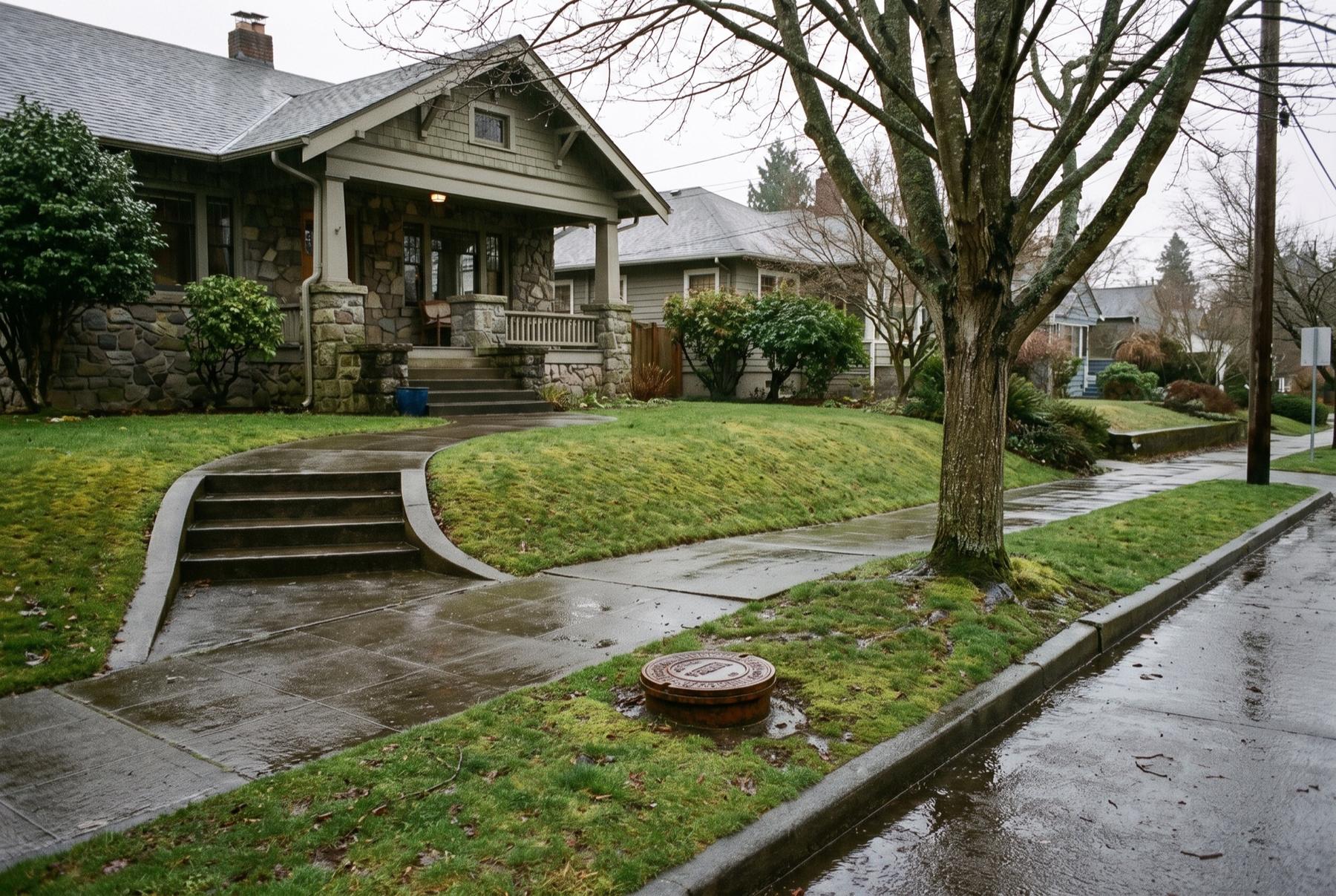
Much of Seattle’s older housing was built to heat with oil. Craftsman bungalows in Ballard and Wallingford, foursquares on Queen Anne, brick Tudors in Magnolia, post-war houses across West Seattle: any of them may have one. Oil came by truck and was pumped through a fill pipe into a tank buried in the yard, usually a few feet from the foundation. When a house switched to gas or electric heat, the old tank was often left where it was, sometimes with oil still in it, and the next owner never heard about it.
Walk the outside of the house and look for:
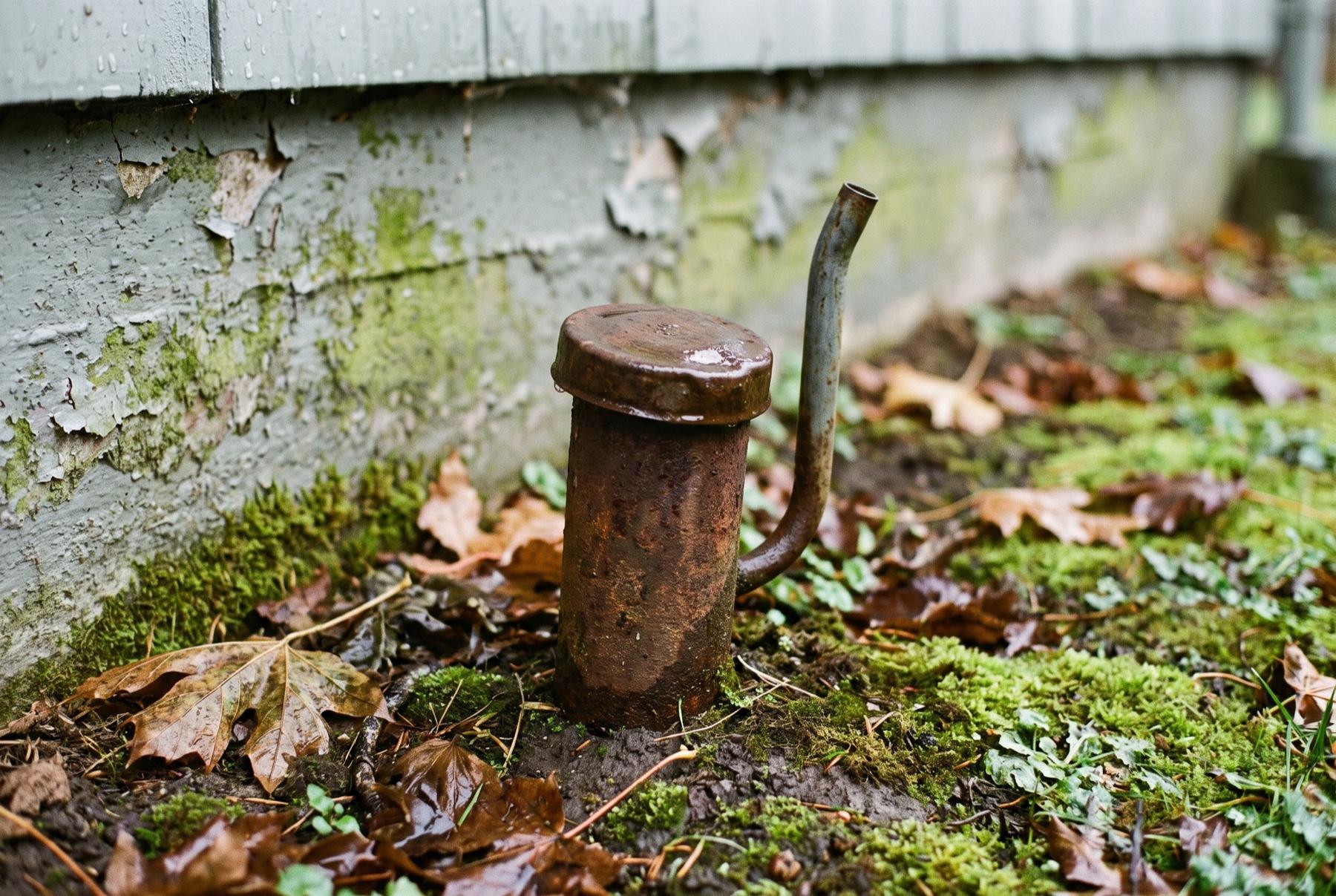
- A capped pipe a couple of inches across, sticking up from a planting bed or the lawn near the foundation. That is usually the fill pipe.
- A thinner pipe with a bend or a small cap at the top, sometimes running up the siding. That is the vent.
- Two small copper lines coming through the basement wall near the furnace, or cut stubs where they used to be.
- An old oil furnace, or a newer furnace sitting where an oil burner obviously once sat.
Fill pipes get cut off at grade or buried under bark, so finding no pipe proves very little. A tank sweep settles it. A technician walks the yard with a metal detector or ground penetrating radar and marks anything shaped like a tank. It’s a short visit, and buyers of older Seattle houses often order one during their inspection period anyway, so it pays to have the answer before they ask. A sweep is part of the pre-inspection in a fast-track listing for that reason.
Check the paperwork too. If a previous owner decommissioned the tank, there may be a fire department permit on record for the address and a contractor’s report. The department only has records for residential tanks decommissioned under a permit after 1997, and it posts those residential tank records online. Ask the Seattle Fire Department what it has, and go through whatever closing files you kept from when you bought.
Decommission in place, remove it, or leave it
| Option | What happens | How buyers tend to see it |
|---|---|---|
| Decommission in place | The contractor pumps out the remaining oil and sludge, cleans the tank, fills it with an inert material such as concrete slurry or foam. The fire code doesn’t require soil samples, but most sellers have them taken because buyers ask. | Widely accepted when it comes with a permit and clean soil results. |
| Remove it | The tank is dug up and hauled away, the soil around it is tested, and the hole is backfilled. | The cleanest answer on paper. More disruption to the yard, and harder near foundations and decks. |
| Leave it and disclose | Nothing is done to the tank. It goes on the disclosure. | A question mark. Some buyers pass. Others ask for a credit or a lower price, and the buyer’s lender or insurer may want it resolved before closing. |
Decommissioning in place is the common route here, mostly because so many tanks sit under driveways and porches close to the house. Removal makes sense when the tank is easy to reach, or when a buyer specifically asks for it.
A tank still heating the house is a separate case. If it’s in active use, the questions are its condition and whether it has ever leaked.
The fire department permit, and who does the work
The permit comes with the contractor’s work. The Seattle Fire Department issues it to the contractor doing the job, and the work can’t start until the permit is approved. The decommissioning has to be done or directly supervised by someone certified by the International Code Council as a tank decommissioner. Afterward you should get a copy of the approved permit and the department’s decommissioning report form. Hire a company that does this work in Seattle regularly, and have them confirm in writing that the permit and soil sampling are part of their scope.
What you want at the end is a small, complete file: the permit, the contractor’s report, and the lab results for the soil. That is what a buyer’s inspector and lender will ask for. Put a copy in your disclosure packet so buyers’ agents have it from the first showing.
On a tight timeline, book the sweep and the contractor early. The work itself usually doesn’t take long once it’s on the calendar, but contractor schedules and lab turnaround vary, and it’s far easier to have the file finished before the listing goes live than to chase it during escrow.
If the soil test comes back dirty
Sometimes the samples show the tank leaked. Don’t promise a buyer anything until a contractor has put the cleanup in writing.
A leak means the contaminated soil has to be assessed and, depending on how far the oil moved, cleaned up. That can be a dig-and-haul job right around the tank or a much larger project. A contractor who does remediation will scope it, and that written scope is what you share with buyers.
Two state agencies are worth a phone call. A suspected or confirmed leak has to be reported to the Department of Ecology. Washington’s Pollution Liability Insurance Agency, known as PLIA, ended its heating oil insurance program in 2025 and now runs a heating oil loan and grant program that can help with cleanup costs and with removing or replacing a tank. Applications open in set cycles and eligibility has conditions, so check with PLIA before you count on it. PLIA can also explain how a heating oil cleanup gets reviewed and documented, and that paperwork is what a buyer will ask to see.
Read your homeowner’s policy and ask your insurance agent whether it says anything about a leaking tank. And update your disclosure. Washington law expects a seller to tell the buyer when something new makes the original disclosure inaccurate, and a real estate attorney can tell you how to do that properly.
Selling the house with the tank still in the ground
You can list a house with an undocumented tank. Some sellers choose to, because they would rather let the buyer decide what to do with it than manage a contractor from out of state or pay for work on a house they are leaving.
If you list that way, expect the tank to come up during the inspection period. The buyer will probably order their own sweep and may ask you to decommission the tank, or to cover the work through a credit or the price. Pricing the house with the tank in mind from the start, and saying so plainly in the disclosures, usually makes for a calmer negotiation than letting a buyer discover it.
Cash buyers are another route. Investors who buy older Seattle houses see oil tanks all the time and build the cost into their number, and requesting cash offers shows you what that trade looks like against a listing. If the tank is one of several old-house problems, read up on who pays for a bad side sewer and on selling a basement that was finished with no permit on file before you pick a route.
Call me at 206.940.0942 once you’ve found the fill pipe, or even if you only suspect the last owner left a tank behind. We’ll walk the outside of the house together, I’ll tell you who I’d call for a sweep, and I’ll price the sale two ways for you: tank decommissioned first, and tank left in the ground.