Sell Now 206 / Dispatches / Can I Sell a House With Unpermitted Work in Seattle?
Can I Sell My Seattle House With Unpermitted Work?
The short answer
Yes. Washington law doesn’t stop you from selling a house with an unpermitted basement apartment or remodel, but the seller disclosure form asks about conversions, additions, and remodeling and whether they were permitted, so you disclose what you know. What’s left to decide is how to describe the space and whether to legalize it through the Seattle Department of Construction and Inspections (SDCI) first or sell it as it stands.

By Austin Hellickson, Managing Broker, LPT Realty · 6 min read
What Form 17 asks about unpermitted work
Form 17, the seller disclosure statement used in most Washington home sales, has a structural section with a question about remodeling and additions. It follows up by asking whether a building permit was obtained and whether the work passed final inspection. Answer from what you know. If you did the work yourself without a permit, say so. If the basement was already finished when you bought and you have no idea who did it, “don’t know” is one of the answers the form allows, and it beats a guess in either direction.
Trouble usually starts when a seller answers from memory without checking. A buyer’s agent who pulls the permit record and finds nothing for an obviously finished basement will ask about it, and an answer that doesn’t match the record costs you credibility in the middle of a negotiation. If anything about your answers feels uncertain, have a real estate attorney look at them before you sign.
Check what the city has on record
Seattle’s permit history is public, and most of it can be searched from home. I’d work through it in this order.
- The Seattle Services Portal. Search your address. It lists permits SDCI has issued since 2005 and their status. On anything that matters, look for a final inspection.
- SDCI’s historical records. Older permits and some plan sets live in the city’s microfilm records. SDCI staff can help you find them.
- The King County Assessor. The property record shows finished basement area and bedroom count as the county has them. If those don’t match what’s in the house, a buyer’s agent will notice.
- Your own files. Contractor invoices, receipts, the inspection report from when you bought, an old listing sheet. Anything that shows when the work was done and by whom.
Sometimes the search turns up a pleasant surprise: a permit that was pulled and finaled years ago, which a previous owner simply never mentioned. Sometimes it turns up a permit that was opened and never finished. That second case is worth knowing about early, because an open permit can sometimes be closed out with an inspection.
Bedroom, den, or apartment: describing the space
How you label the space is where most of the risk sits. A basement room called a bedroom without a qualifying egress window. A kitchenette sold as a “mother-in-law unit.” A listing that mentions rental income from a unit the city has never heard of. Each of those can come back to you once an appraiser or the buyer’s lender reads the listing closely.
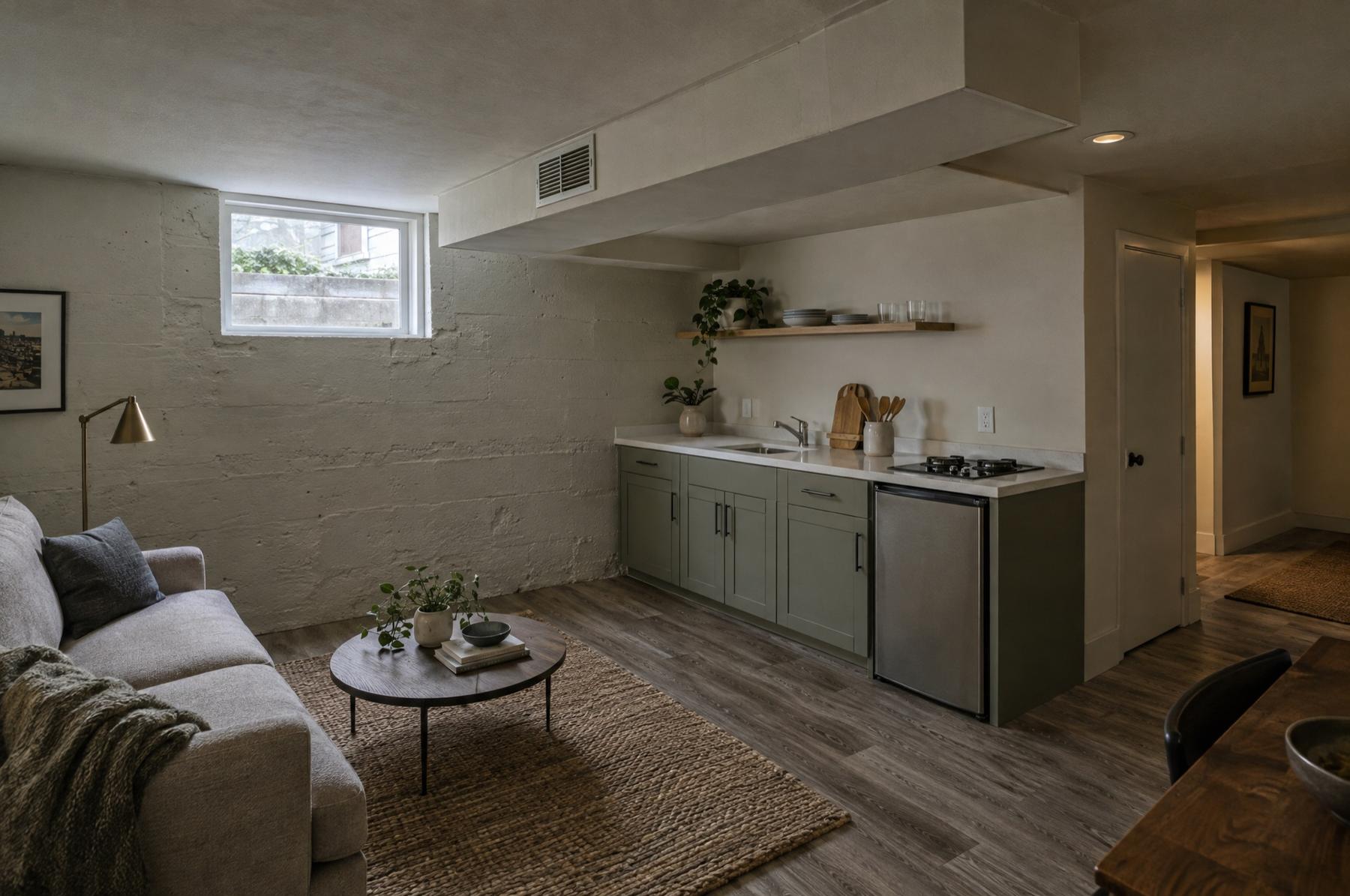
Older Seattle basements tend to have small windows set high in the foundation wall. Whether a finished room down there counts as a bedroom depends on the size and sill height of that window (it’s how someone gets out in a fire) and on the ceiling height, and a small, high window often won’t qualify.
Safer language describes what’s there without making a legal claim: a finished lower level, a kitchenette, a separate entrance, a bonus room. Your listing agent should know the MLS rules on room counts. I’d rather undersell a room in the description and let buyers see it for themselves than claim a bedroom the appraiser won’t count.
How buyers, appraisers, and lenders treat the space
Buyers are the easy part. Plenty of Seattle buyers are comfortable with an older finished basement if it’s dry and they understand what they’re getting. Some want the extra room and don’t care much about the paperwork. Others, especially anyone planning to rent the unit, care a great deal.
Appraisers work within lender guidelines, and those generally give below-grade space less weight than above-grade living area to begin with. Unpermitted space may get less credit still, and an appraiser may decline to treat a second kitchen and entrance as a legal second unit. If a buyer was counting on basement rent to help qualify for their loan, an unpermitted unit can make that difficult. Their loan officer is the one who can say how a particular loan program treats it.
Insurance is the quieter issue. Some insurers ask about unpermitted work or handle it differently in a claim. Buyers will ask their own insurance agent. Sellers should ask theirs about the current policy.
Permit it, legalize it, or sell it as it stands
The quickest path is to leave the space alone. You disclose it, price the house with the unpermitted work in mind, and let buyers decide what it’s worth to them. When the work looks sound and the clock is short, that is a reasonable call.
A slower path is a permit after the fact. SDCI can permit a remodel that has already been built, but an inspector will want to see what’s behind the finishes. That can mean opening drywall and ceilings, then correcting whatever falls short of code. How long it takes varies a lot from house to house.
A basement apartment is its own case. SDCI has an establishing-use process for recording a use that was legal when it began but was never established by permit, and Seattle has loosened its rules on accessory dwelling units in recent years, so a unit that never could have been approved decades ago may qualify now. It generally still means meeting current requirements on egress windows, fire separation between the unit and the house above, ceiling height, and more. Book an SDCI coaching appointment before you spend anything on it.
On a short timeline, legalizing a unit before listing is often out of reach. What you can do is gather enough information to tell buyers honestly what it would take, such as a contractor’s opinion or notes from an SDCI coaching session, so the buyer can price that path themselves. And if someone lives in the unit now, talk with a landlord-tenant attorney before giving any notice. Seattle’s tenant protections are strict, and whether the unit is permitted doesn’t make them go away.
When a cash buyer is the simpler route
If the unpermitted work is extensive or tangled up with other problems, cash can be simpler. A cash buyer has no lender’s appraisal to satisfy and prices the cost of legalizing the space, or gutting it, into the offer. A cash offer request shows you that figure next to what a listing would likely net.
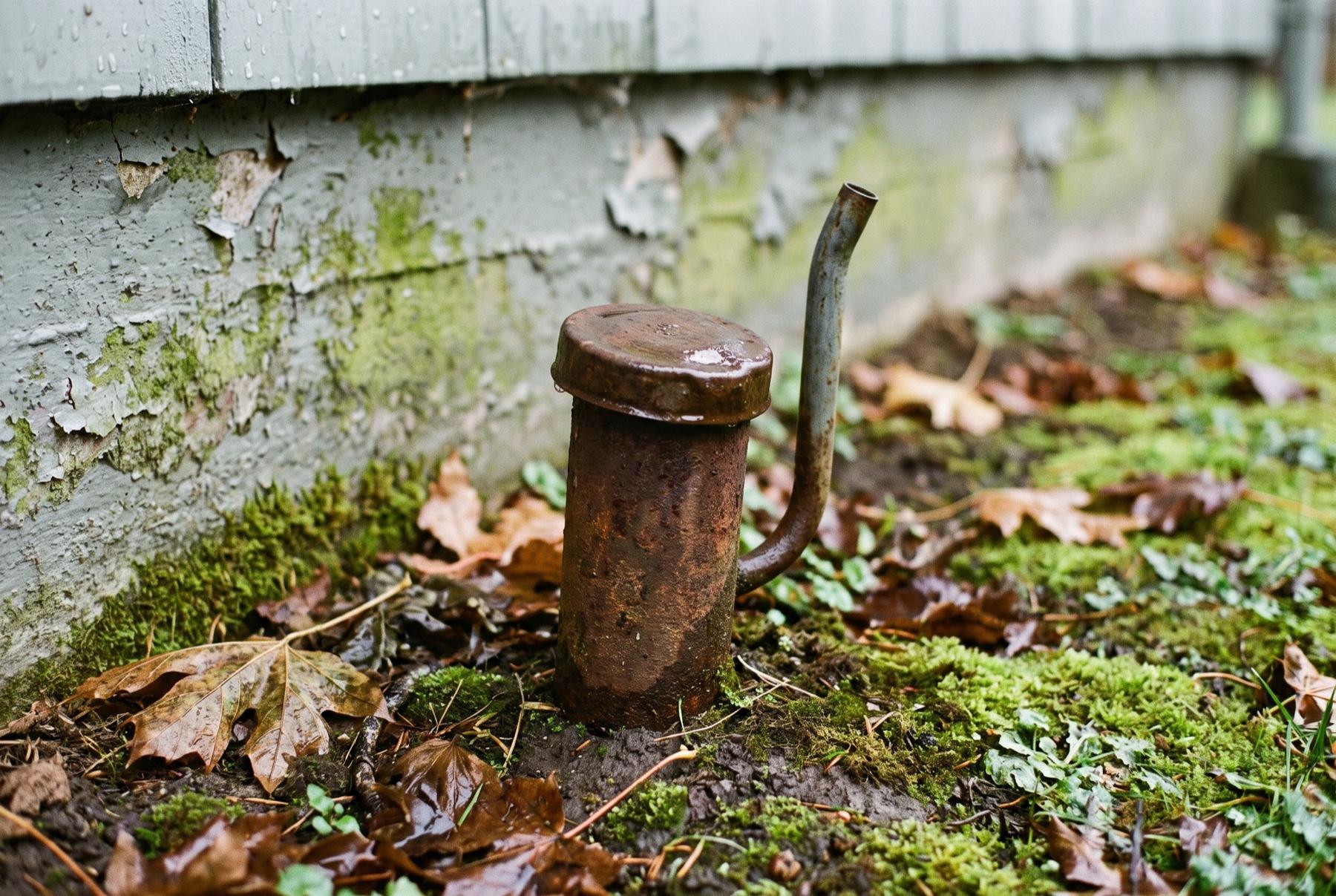
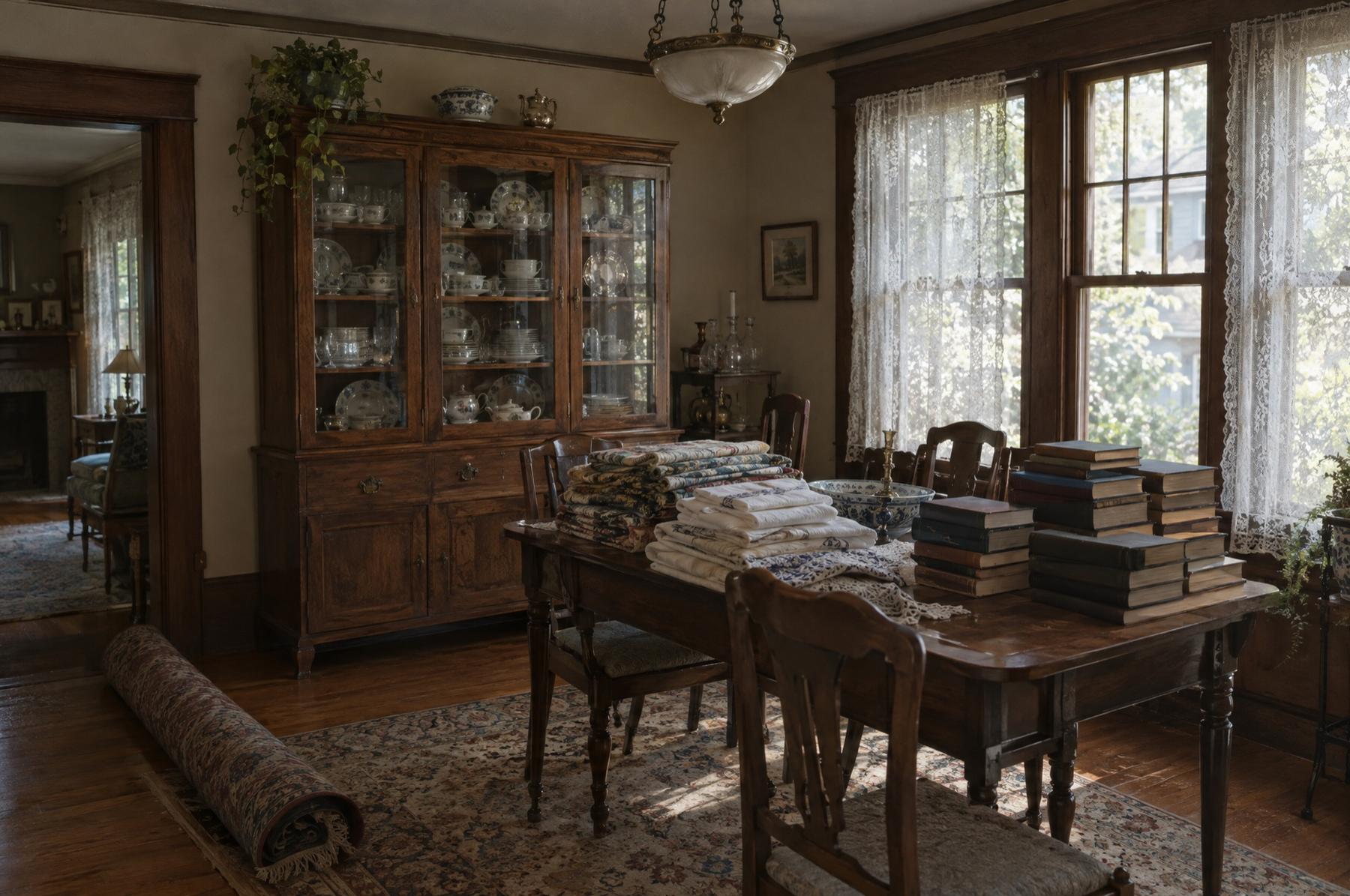
This comes up often with inherited houses, where the family has no idea who finished the basement or when. If that’s your situation, clearing out a parent’s house before you sell it covers the other half of the job. While you’re pulling records, find out whether the house ever heated with oil. A buried heating oil tank is the other thing buyers of older Seattle houses go looking for.
Questions sellers ask about unpermitted work
Will the city fine me for unpermitted work when I sell?
Selling a house doesn’t by itself bring a city inspector to it. Enforcement generally starts with a complaint or with a permit application that puts an inspector in the house. If you’re worried about a specific condition, a real estate attorney or SDCI can tell you what applies to it.
Do I have to fix unpermitted work before I sell?
No. You have to disclose what you know about it. A buyer may ask for repairs or permits during the inspection negotiation, and how you answer is up to you.
Can I advertise the basement apartment as a rental unit?
Only call it a legal unit if the city has approved it. You can describe what is there, such as a separate entrance and a kitchenette, but advertising an unapproved space as a legal rental or quoting rent from it can create liability for you. Check the wording with your listing agent, and with an attorney if you’re unsure.
If you aren’t sure what the city has on file for your basement, call me at 206.940.0942. We’ll pull the permit record together and look at the space, and I’ll tell you what I would do in your place: list it as it stands, or start with SDCI.